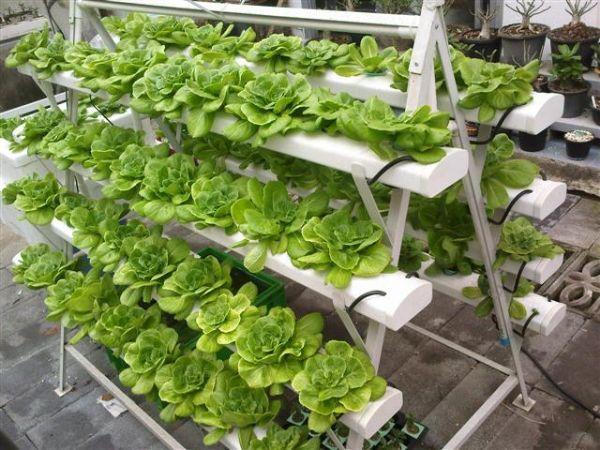
vegetable gardeningVegetable gardening can be a very rewarding experience. But if you’ve never had a vegetable garden before, the task can seem overwhelming. Here are several easy ways to start your first fruit or vegetable garden.

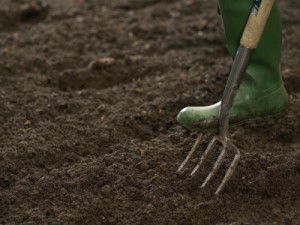
First, some vegetable gardening basics. Most vegetables need full sun, well-tilled soil, and the right fertilizers to bear fruit (or vegetables). Using the wrong soil enhancements will cause your plants to produce leaves and flowers, but little fruit.

Most vegetables need long and deep water - water the roots, not the leaves. Pick your harvest regularly to encourage more fruit or vegetables.

Finally, know when to plant, and when to harvest. This information will be found on the seed packet or the plant container. As you gain more experience, you will be able to rotate crops based on how early they mature.

Read more

Filed under Vegetable Garden by admin.
Permalink • Print •  • Comment

organic gardeningThe only difference between regular gardening and organic gardening is that no synthetic fertilizers or pesticides are used when gardening organically. It might be a little more work to grow plants this way, but it is well worth the effort.

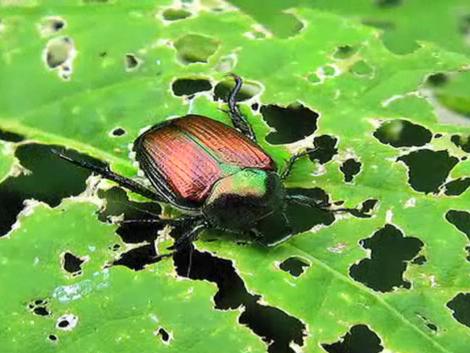
The biggest problems with growing things organically are insects, disease and weeds. But there are natural ways to protect your plants from these three killers.

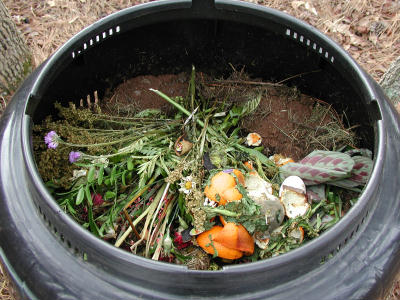
Organic gardening starts with the soil. Rather than adding chemicals to the soil, organic gardeners regularly add organic matter in order to keep the soil healthy and productive. In fact, compost is essential to the well being of plants grown organically.

If you do not already have a compost pile or compost bin, one can be made with leaves, dead flowers, manure, fruit rinds, vegetable scraps, grass clippings and many other things.

Read more

Filed under Organic Gardening by admin.
Permalink • Print •  • Comment

garden tipsAcross the country, from 1974 to 1995, weather stations recorded their maximum daily temperatures. Each participating weather station had to provide information for a twelve year period at least, to be included in the data.

The American Horticultural Society (AHS) then used this information to develop the Heat-Zone Map which was released in 1997. There are twelve zones in this map and they are categorized by the number of days that area is subjected to temperatures above 86 degrees Fahrenheit, (also known as ‘heat days’).

This temperature was chosen because 86 degrees is when plants begin to experience damage from heat. The lower the Zone number, the lower the amount of heat days experienced. For example, Alaska falls in Zone 1 which means it has less than one heat day per year. Zone 12 experiences a significant period of the year in heat days – more than 210 of them!

Read more

Filed under Gardening Tips by admin.
Permalink • Print •  • Comment

gardening tipsIn the United States, two types of zones are most commonly used when determining the right plant for the right area. Up until fairly recently, the Plant Hardiness Zone Map was the most referred to tool for plant selection.

The Plant Hardiness Zones were developed by the United States Department of Agriculture (USDA) and have been in use since 1960. These zone maps provide information on minimum temperatures across the country in various geographical regions. Basically the zones indicate which plants grow well in which area of the country.

Read more

Filed under Gardening Tips by admin.
Permalink • Print •  • Comment